
Pelvic girdle pain can make daily life tough. Walking hurts. Turning in bed hurts. Even standing up can feel wrong. Many people ask the same question. Can pelvic floor therapy help?
Short answer. Yes, it often does.
What pelvic girdle pain feels like
Pelvic girdle pain, often called PGP, affects the joints around the pelvis. Pain may sit in the lower back, hips, groin, or buttocks. It can show up during pregnancy, after birth, or after an injury. Muscles around the pelvis often tighten or weaken in response to pain. That includes the pelvic floor.
When these muscles stop working well, pain tends to stick around.
What the pelvic floor has to do with it
The pelvic floor is a group of muscles at the base of the pelvis. They support the bladder, bowel, and uterus. They also help steady the pelvis when you move.
If these muscles are too tight, too weak, or out of sync, the pelvis loses support. That can strain the pelvic joints and raise pain levels. This is common with pelvic girdle pain.
How pelvic floor therapy helps
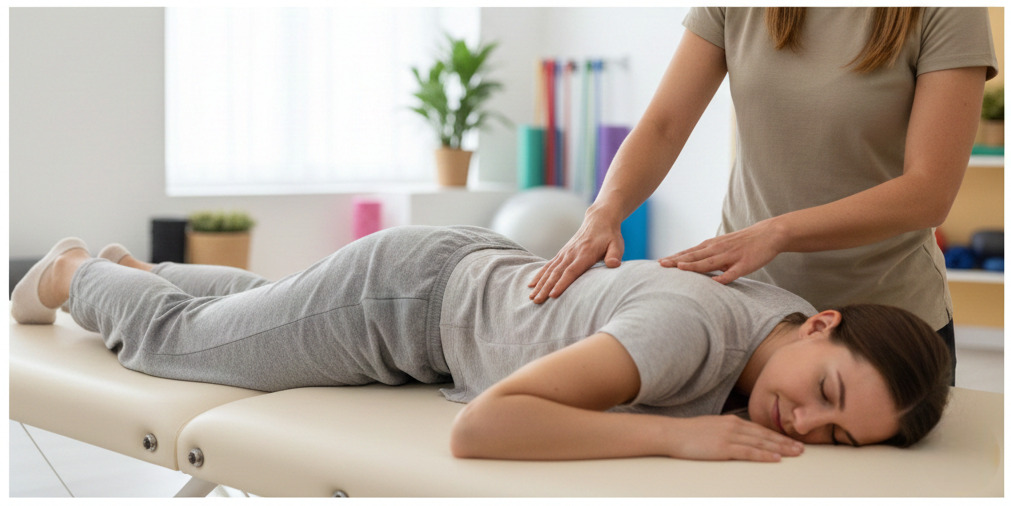
Pelvic floor therapy focuses on restoring balance. A trained therapist checks how the muscles move, rest, and respond to pressure. Treatment depends on what your body needs.
If muscles are tight, therapy aims to relax them. If they are weak, therapy builds strength. Many people need both. Therapy also improves how the pelvic floor works with the core, hips, and breathing.
Better muscle control reduces stress on the pelvic joints. Pain often eases as movement becomes smoother and more stable.
What treatment may include
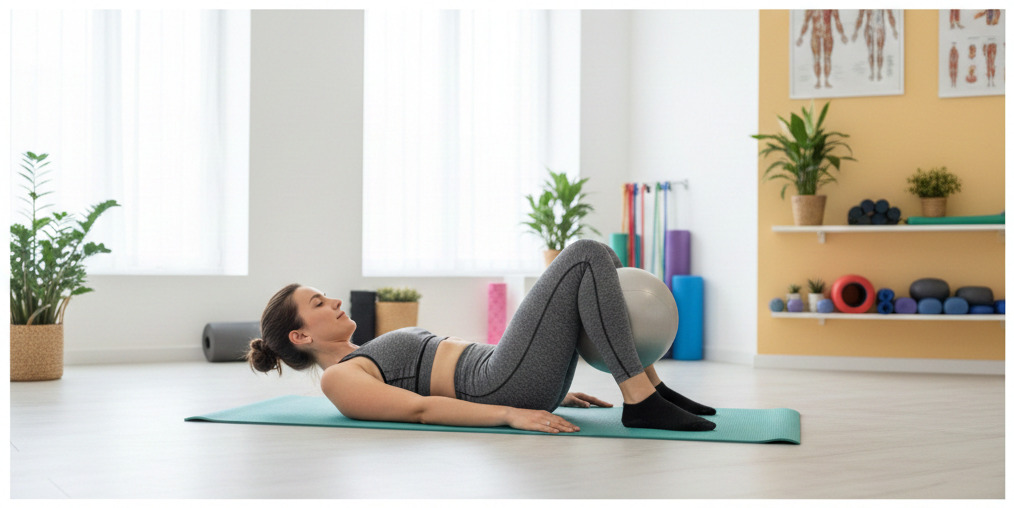
Sessions may involve hands-on muscle work, guided exercises, posture changes, and breathing practice. You may learn how to move without straining the pelvis. Home exercises usually play a role. They are simple and customized to you.
Progress feels gradual. Small gains add up.
Who benefits most
Pelvic floor therapy helps many people with pelvic girdle pain. This includes pregnant women, new mothers, and people with long-term pelvic pain. It also helps after injuries or surgery.
Pain does not need to be severe to seek help. Early care often leads to faster relief.
The bottom line
Pelvic girdle pain rarely improves by ignoring it. Pelvic floor therapy targets one of the root causes. It supports healing, restores movement, and reduces pain. For many, it makes daily life feel normal again.